Why I Don’t Rush My Kids’ “Why” Questions Anymore (and what I say instead)
There was a time when the constant “why?” felt like noise.
Why is the sky blue?
Why do we have to eat vegetables?
Why can’t I stay up longer?
Why does the chicken peck?
By question number 37 before lunch… I was done 😅
But something shifted for me when we started homeschooling.
I realized those questions weren’t interruptions to learning…
they were the learning.
The Moment It Clicked
At home, there’s no bell schedule rushing us to the next subject.
No “we’ll learn that later.”
No pressure to move on before it clicks.
So when my child asks why, we pause.
We follow it.
We sit in it.
We let it lead.
And what I’ve seen is this:
Curiosity isn’t something you have to force into your child…
it’s already there.
Homeschooling has just given us the space to protect it.
Why “Why” Questions Matter More Than We Think
When your child asks “why,” they’re not just asking for information.
They’re:
Trying to understand how the world works
Making connections
Building confidence in their thinking
Learning how to ask better questions
This is the foundation of real learning. Not memorization—understanding.
And when we constantly shut it down with:
“Because I said so”
“We don’t have time”
We slowly teach them to stop asking.
What Changed in Our Home
Instead of feeling pressure to have all the answers, I changed my role.
I’m not just the one who gives answers anymore…
I’m the one who guides their thinking.
And that has changed everything.
Our days feel slower, yes—but deeper.
Our conversations go further.
And their learning? It actually sticks.
The Simple Guide: What to Say When Your Kids Ask “Why”
You don’t need a script… but having a few go-to responses helps so much.
🤍 When you want them to think first
Instead of jumping in with the answer:
“Hmm… what do you think?”
“Why do you think that happened?”
“What’s your guess?”
This tells them: your thoughts matter.
🤍 When you want to guide (not just tell)
Help them connect the dots:
“Let’s think about it… what happened right before?”
“What do we already know about this?”
“Does that remind you of something we’ve seen before?”
You’re teaching them how to process information, not just receive it.
🤍 When they’re stuck
Support without taking over:
“Do you want a hint or the answer?”
“Let me help you think through it…”
“Okay, let’s figure it out together”
This keeps them from shutting down while still engaging their brain.
🤍 When you truly don’t know
(This happens more than we think—and that’s a good thing.)
“That’s a really good question… I’m not sure”
“Should we look it up?”
“Let’s find out together later”
You’re modeling curiosity and showing them learning never stops.
🤍 When you’re tired (because you will be 😅)
Give yourself permission to pause:
“That’s a great question—can we come back to it?”
“Ask me again in a little bit, I want to give you a good answer”
You’re not dismissing them—you’re being human.
Letting Curiosity Lead the Learning
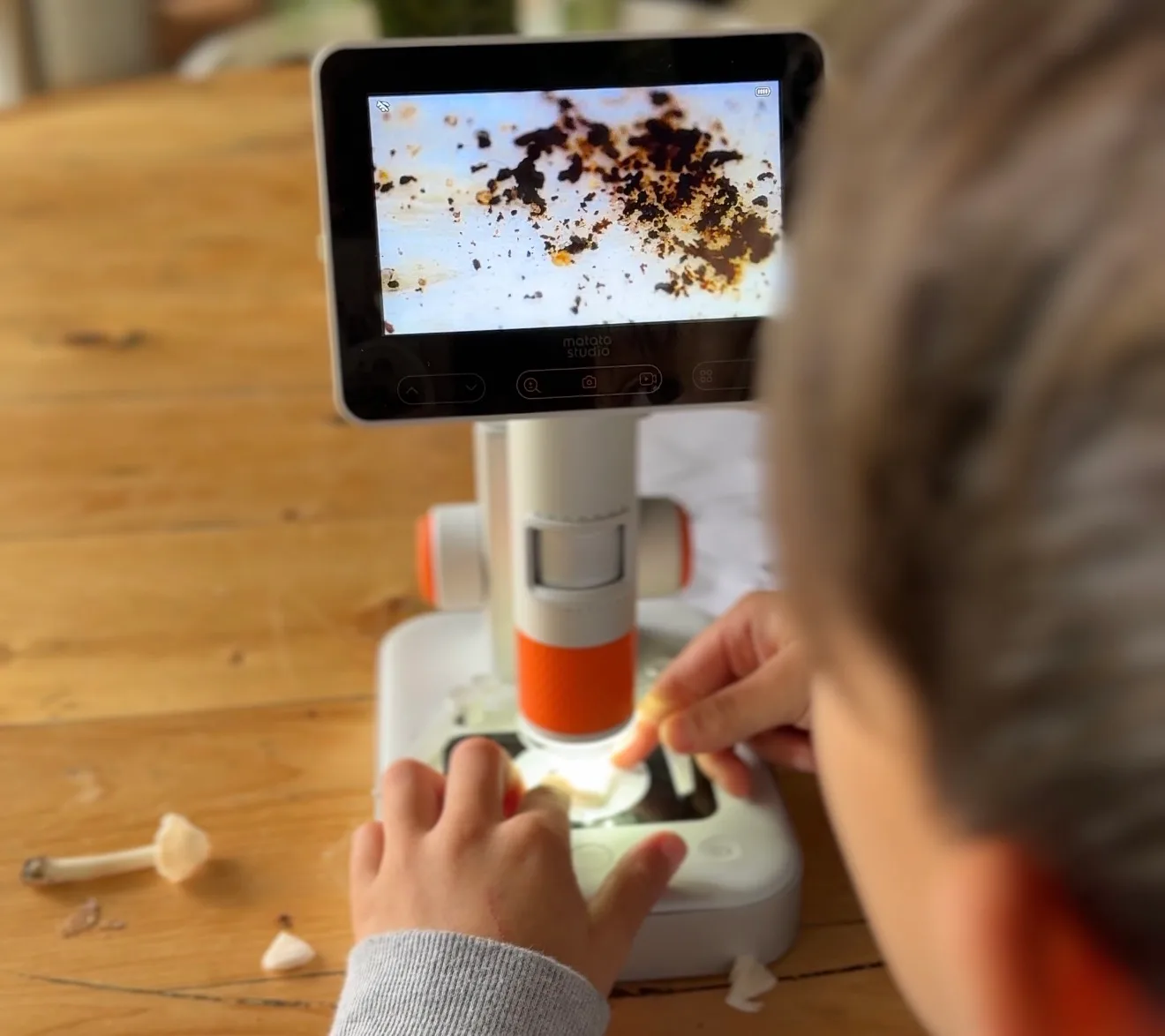
Some of our best “lessons” have come from one simple question.
A “why” about bugs turns into a full afternoon outside observing.
A question about cooking turns into measuring, mixing, and real-life math.
A random thought becomes reading, writing, and exploring.
This is what I love most about homeschooling.
We’re not forcing learning to happen…
we’re following it.
If You’re in the Thick of It…
If your kids are asking “why” all day long and you feel overwhelmed—
you’re not doing anything wrong.
You’re actually in a really beautiful place.
Because a child who keeps asking questions is a child who hasn’t shut down their curiosity.
And that’s something worth protecting.
You don’t need to have all the answers.
You just need to create a home where questions are welcome.
Because the goal isn’t to raise kids who know everything…
it’s to raise kids who never stop wanting to learn 🤍