How Including My Kids in the Kitchen Changed Everything About Our Homeschool Journey
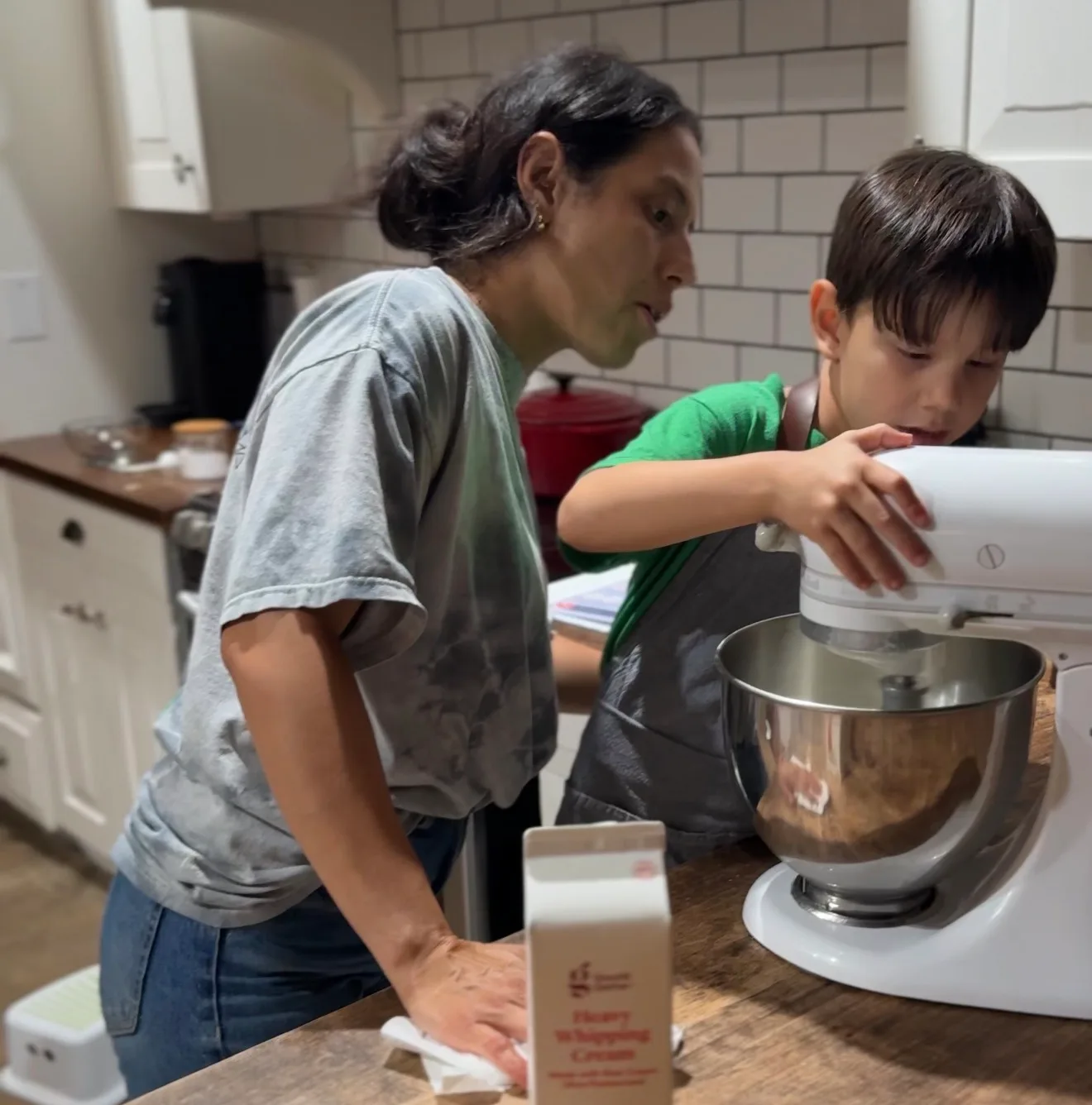
I started including my kids in the kitchen when my oldest was five and my youngest was three.
It wasn’t because I had some big parenting philosophy at the time — it actually came out of necessity and a little bit of realization.
I was homeschooling, and I remember finishing our workbooks in under two hours most days. And suddenly I had all this time… but I was still doing everything else: cooking, cleaning, managing the home.
And I kept thinking — wait… they live here too. They can learn this too.
That was the moment everything started to shift.
🍽️ From “School at Home” to Real Life Learning
I’m a former teacher, so when I first started homeschooling, I thought I was going to recreate the classroom at home.
Worksheets. Structure. Lessons. The whole thing.
But I was way off.
My kids weren’t lighting up over paper activities. They weren’t deeply engaged in worksheets or repetitive drills.
But the moment I brought them into the kitchen? Everything changed.
Suddenly:
Reading a recipe became more exciting than reading a worksheet
Measuring ingredients became real-life math
Following steps had purpose and meaning
They were more interested, more focused, and more willing to try when it involved real life.
🧁 Learning That Actually Sticks
Cooking became one of our most natural learning tools.
They didn’t realize they were learning:
Fractions when measuring flour
Reading comprehension when following recipes
Sequencing and critical thinking when making steps in order
But more than that, they were learning something deeper:
👉 I am capable of doing real things in real life.
And that matters more than any worksheet ever could.
🧺 The Hard Part No One Talks About
But I also want to be honest — it wasn’t always easy.
At the beginning, I still found myself saying things like:
“Go play so I can finish this.”
“Just let me do it quickly.”
“Not right now, I need to get this done.”
Because it is faster to do things alone.
But one day I realized something important:
They weren’t trying to interrupt my life…
They were trying to be part of it.
This is their home too.
These are their meals too.
This is their life too.
🧠 Why Involving Kids Matters More Than We Think
When kids are included in real-life tasks — cooking, cleaning, organizing — it supports so much more than just “helpfulness.”
It supports:
🧠 Cognitive development
They learn sequencing, problem-solving, and decision-making in real time.
💛 Emotional development
They build confidence, independence, and pride in contribution.
🧍♂️ Psychological development
They feel needed, capable, and connected — not passive or dependent.
Kids don’t just want to be entertained.
They want to feel useful.
🧹 The Shift That Changed Our Home
Eventually, I made a full shift.
Instead of separating “school time” and “life,” I started blending them.
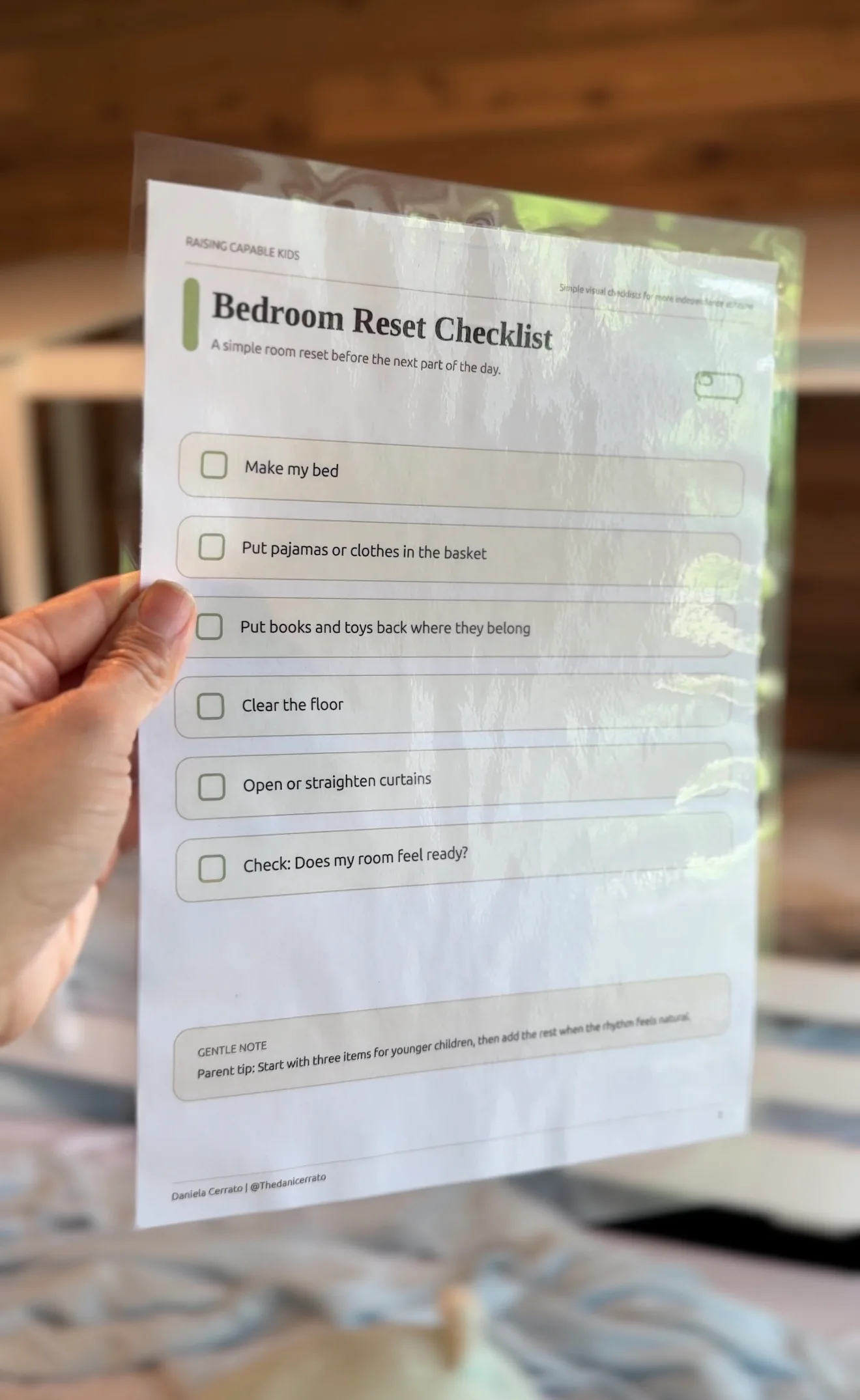
Now, my kids are involved daily in:
Cleaning
Cooking
Helping with grocery lists
Tidying shared spaces
Simple home responsibilities
Not perfectly. Not without mess. But consistently.
And I stopped viewing it as extra work for me… and started seeing it as training for them.
💪 Was It Easy? No.
Let me be real with you.
It was messy.
It slowed me down.
It tested my patience.
There were days I wanted to give up and just do it myself.
But I didn’t.
And slowly, something beautiful happened.
My kids grew into it.
🌱 Where We Are Now
Today, my kids are five and seven — and they are incredibly capable.
They:
Help clean daily
Assist in cooking meals
Help build shopping lists
Take ownership of simple routines
And more than anything, they believe in themselves.
That’s the part I didn’t expect — but it’s the part I value most.
If I could go back and tell myself one thing, it would be this:
Don’t underestimate your kids.
Don’t assume they’re too small.
Don’t assume they’re not ready.
Don’t assume it’s easier to do it all yourself.
Because what feels like “helping” them now…
is actually building the adults they will become.
And I almost missed that.
If this encourages you in any way — start small. Invite them in. Let it be messy.
They don’t need perfection.
They just need participation.