We Don’t Raise Consumers First. We Raise Thinkers.
When people say “society has made us consumers,” it can sound dramatic at first. But when you step back and look at how modern life is structured—especially through the lens of homeschooling—it becomes a lot clearer.
It’s not that we are just consumers. It’s that so many systems quietly train us to experience life that way.
And once you see it, you can’t unsee it.
From doing to receiving
In traditional systems, children are often positioned as receivers of knowledge. Information is delivered. Materials are provided. Schedules are set. Even creativity is often guided through templates or structured outputs.
Over time, this can shape a subtle mindset:
Learning is something I am given.
And when that becomes the default, adulthood often carries it forward:
“I need the right program.”
“I need the right course.”
“I need the right resource before I can start.”
But homeschooling flips that structure in a very quiet, powerful way.
Homeschooling changes the role of the child
In a home learning environment, children are not just recipients of information—they are participants in real life.
A kitchen becomes a lab.
A walk becomes science.
A conversation becomes language arts.
A project becomes problem-solving.
Instead of asking, “What curriculum are you using?” the focus shifts to:
What are you noticing?
What are you exploring?
What are you building or understanding right now?
This is a small shift in language, but a big shift in identity.
Children begin to see themselves differently—not as passive learners, but as capable contributors to their own learning.
The quiet influence of consumer culture
We don’t always notice how much modern learning culture overlaps with consumer culture.
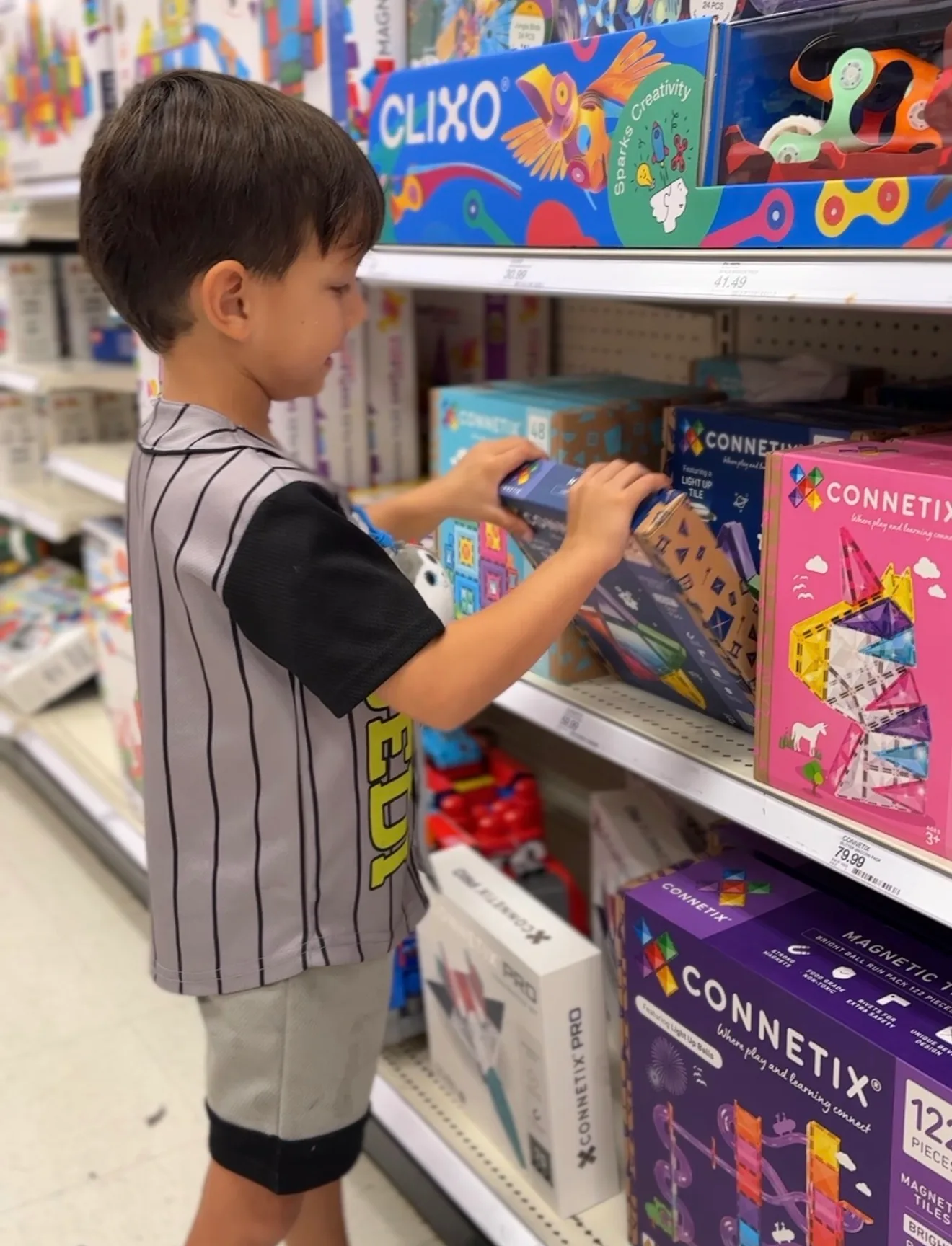
Curriculums, apps, programs, subscriptions—there is an entire industry built around packaging education into something we can purchase.
And there is nothing inherently wrong with resources. They can be helpful.
But the deeper question homeschooling brings forward is:
Are we relying on tools because they serve learning… or because we’ve been conditioned to believe learning must be bought?
Attention is part of the shift
Another layer that often goes unnoticed is attention.
A lot of modern childhood is shaped by passive intake—screens, videos, structured content delivered at high speed. It’s easy, it’s accessible, and it fills time.
But homeschooling often invites a different rhythm:
slower attention, real-world engagement, curiosity that isn’t constantly redirected.
And over time, that changes how children interact with the world. They begin to observe more, question more, and engage instead of consume.
The parent shift is just as important
Homeschooling doesn’t just change children—it changes parents too.
It reveals how often we default to:
“I need to buy something to fix this.”
A curriculum.
A system.
A solution.
But slowly, many parents begin to shift toward a different mindset:
What do we already have?
Can this be learned through real life?
Is this a real need—or just noise?
That shift is subtle, but powerful. It moves the home away from consumption as the first response, and toward creation, connection, and resourcefulness.
Raising thinkers, not just consumers
This isn’t about rejecting all structure or all resources. It’s not about doing everything from scratch or avoiding modern tools.
It’s about awareness.
Because once you see how easily learning can be packaged into something you buy, you also start to see something else:
Learning was never meant to be consumed only. It was meant to be lived.
And when children grow up inside that reality—where they are active participants in learning, not just receivers of it—they don’t just consume information.
They think. They create. They question. They build.
And that changes everything.